Table of Contents
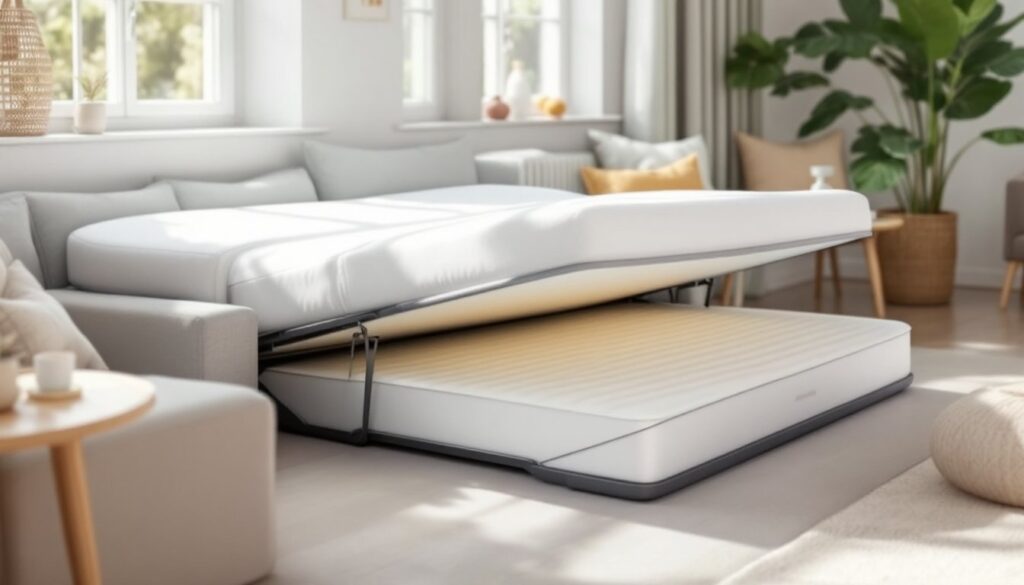
ToggleWhen a guest bedroom isn’t in the cards, a sleeper sofa becomes that workhorse furniture piece, stylish on weekdays, functional on weekends. But here’s the kicker: the difference between a night of decent sleep and waking up with a sore back often comes down to one thing: the mattress. Choosing the right sleeper sofa mattress isn’t just about comfort: it’s about durability, proper fit, and knowing which type matches your space and budget. Whether you’re shopping for a new mattress for sofa sleeper, looking at foam sleeper sofa mattress options, or hunting for sleeper sofa replacement mattresses that’ll actually last, this guide cuts through the noise and gives you the straightforward facts.
Key Takeaways
- Memory foam and gel-infused options are the most popular sleeper sofa mattress types, with gel-infused models offering superior cooling and durability despite higher upfront costs.
- Choose a mattress thickness between 5–7 inches and foam density of 1.5–1.8 lbs per cubic foot to balance comfort, support, and practicality for your sleeper sofa.
- Premium-grade sleeper sofa replacement mattresses (1.8+ lbs/cubic foot) last 7–10 years, while budget options start sagging after 3–5 years, making durability a critical investment factor.
- Always measure your sofa’s mattress compartment precisely before purchasing—many sleeper sofas use proprietary dimensions that won’t accommodate standard mattress sizes.
- A $300–400 mid-range mattress hits the sweet spot for most households, and adding a waterproof protector ($30–50) extends lifespan by years while protecting against stains and damage.
- Assess how frequently guests use your sleeper sofa and their specific needs (back pain, heat sensitivity, mobility) to select the right mattress type and support level for optimal comfort.
Types Of Sleeper Sofa Mattresses
Memory Foam And Innerspring Options
Memory foam remains the popular choice for sleeper sofas, and for good reason. It conforms to the body, reduces motion transfer, and typically costs less than premium alternatives. A quality memory foam sleeper sofa mattress usually runs 4–6 inches thick and provides adequate cushioning for occasional guests. The catch? Cheaper versions compress over time and can trap heat, making for a warm, uncomfortable night. Look for gel-infused or open-cell memory foam if heat retention is a concern.
Innerspring mattresses, the coil-based traditional type, offer firm support and excellent airflow. They’re cheaper upfront and tend to hold their shape longer than low-density foam. But, they’re heavier to install and can be noisier when guests shift positions. Most sleeper sofa innerspring units run 5–7 inches thick and work well in drier climates where moisture isn’t an issue.
Air And Gel-Infused Mattresses
Air mattresses, often called pneumatic mattresses, let you dial in firmness with a pump. They’re compact, easy to store, and great for folks who can’t decide between soft and firm. The downside? They require maintenance, can deflate unexpectedly, and the seams eventually fail. They’re best for occasional use, not nightly sleeping.
Gel-infused mattresses blend memory foam with cooling gel, addressing the heat-trapping issue. They cost more but keep sleepers cooler and offer better temperature regulation. If your guest room stays warm or your guests complain about overheating, gel-infused foam is worth the extra investment. Quality gel-foam options last longer and maintain their shape better than budget memory foam.
Comfort And Support Considerations
Comfort is subjective, but support isn’t, a proper mattress should keep the spine aligned, whether someone’s side-sleeping, back-sleeping, or face-down. For a sleeper sofa mattress replacement, this becomes critical because many guests use the bed for multiple nights, and poor support causes lasting discomfort.
Look for mattresses with a firmness rating labeled on the package (soft, medium, firm). Most sleeper sofa users prefer medium firmness, which works across different body types and sleeping positions. A foam density of 1.5–1.8 lbs per cubic foot is considered good: anything below 1.2 feels cheap and breaks down fast.
Thickness matters, too. A mattress for sofa sleeper shouldn’t be too thin, less than 4 inches feels like sleeping on a cushion, not a bed. Conversely, overly thick mattresses (10+ inches) can be awkward to fold and store. Most sleeper sofa mattresses work best in the 5–7 inch range, striking a balance between comfort and practicality.
If you’re replacing a mattress in a frequently used sleeper sofa, prioritize options with good edge support. Guests often sit on the edge before lying down, and weak edges wear out quickly and feel unstable.
Durability And Longevity For Sleeper Sofas
A sleeper sofa mattress takes a beating. Unlike a traditional bed, it folds, gets stored, and may be opened and closed daily in some homes. Durability isn’t optional, it’s essential.
Memory foam quality directly impacts lifespan. Premium-grade foam (1.8+ lbs/cubic foot) holds up 7–10 years with regular use: budget foam starts sagging after 3–5 years. Innerspring mattresses tend to last longer if the coils don’t break, but when they do, the whole mattress is typically done.
Look for a 10-year warranty as a baseline. Read the fine print, some warranties only cover manufacturing defects, not normal wear. Gel-infused mattresses, while pricier, often outlast plain memory foam because the gel helps prevent breakdown at the cellular level.
To extend mattress life, rotate it regularly (top-to-bottom, side-to-side) every 2–3 months. Invest in a quality mattress protector, it’s cheap insurance against spills and dust mites. Store the mattress flat if possible: storing it on edge or folded permanently can damage the internal structure.
For a foam sleeper sofa mattress, avoid extreme heat and humidity. High moisture speeds deterioration and encourages mold growth inside the foam.
Size And Compatibility Guidelines
Before you buy, measure your sleeper sofa’s mattress compartment, don’t assume it’s a standard size. Measure length, width, and depth of the opening when the sofa is fully extended. Write these numbers down.
Common sleeper sofa sizes include:
- Twin: ~38″ × 75″ (single sleeper, most common)
- Full/Double: ~54″ × 75″ (accommodates two adults)
- Queen: ~60″ × 80″ (larger spaces, premium comfort)
Many sleeper sofas use proprietary dimensions that don’t match standard mattress sizes exactly. A mattress that’s 1–2 inches too long or wide won’t fold properly and may damage the sofa frame. If your sofa has odd dimensions, confirm the manufacturer’s replacement mattress specification before ordering.
Thickness affects fit too. If your sofa has a shallow compartment, a 6-inch mattress might be too tall. Check the manual or contact the furniture maker for maximum thickness recommendations. Going over can bend hinges and strain the frame.
When comparing mattress for sofa sleeper options online, always check the product dimensions and compare them side-by-side with your measurements. Some suppliers list nominal dimensions while others list actual dimensions, a 5-inch mattress might actually be 4.75 inches thick.
How To Choose The Right Sleeper Sofa Mattress
Start by assessing how often your sleeper sofa gets used. Occasional guests (monthly or less) can manage with an air mattress or budget foam option. Regular guests warrant a mid-range memory foam or gel-infused mattress with better durability.
Second, identify your guests’ needs. Do they have back pain? Prioritize firmer support. Do they run hot? Go gel-infused, not standard foam. Are they elderly or have mobility issues? A thicker, more supportive mattress is worth the extra expense.
Third, set a realistic budget. Sleeper sofa replacement mattresses range from $150 (budget foam) to $600+ (premium gel or hybrid options). A mattress costing $300–400 hits the sweet spot for most households, decent quality, reasonable durability, and not a painful purchase if you replace it in 5–7 years.
Fourth, check warranties and return policies. Buy from retailers with 30–60 day returns and clear warranty terms. Some companies offer trial periods (sleep on it for 100 nights, then return if unhappy). That’s valuable peace of mind.
Finally, don’t ignore the mattress protector. A waterproof cover adds $30–50 but extends mattress life by years and protects against stains, dust, and accidents. It’s the cheapest insurance you’ll buy.
When shopping for sleeper sofa replacement mattresses online, read verified customer reviews, not just ratings, but specific feedback about comfort, durability, and whether it fit their sofa correctly. That real-world data beats marketing copy every time.