Table of Contents
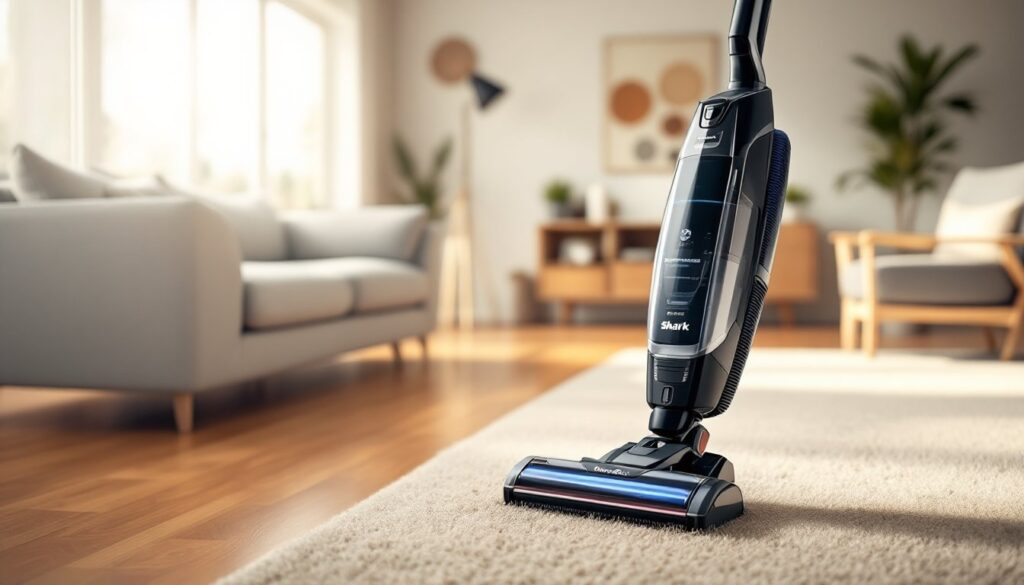
ToggleWhen a vacuum claims to think for itself, skepticism is reasonable. But the Shark PowerDetect Upright Vacuum isn’t just marketing hype, it’s a practical shift in how modern homes approach floor cleaning. Unlike traditional uprights that run at full blast regardless of what they’re picking up, PowerDetect technology adjusts suction power in real time based on floor type and debris load. For homeowners juggling pet hair, kids’ messes, and hardwood-to-carpet transitions, this means less energy waste, quieter operation, and frankly, fewer excuses to put off vacuuming. Whether you’re replacing an aging upright or upgrading from a stick vac, understanding what this unit actually delivers, and whether it fits your home’s needs, saves money and frustration.
Key Takeaways
- The Shark PowerDetect Upright Vacuum automatically adjusts suction power based on floor type and debris load, eliminating manual mode switching and reducing noise and energy waste.
- PowerDetect’s smart dust detection sensor excels on mixed flooring and is ideal for pet owners and allergy sufferers, delivering strong performance on mid-pile and low-pile carpets at approximately 240 air watts.
- Cordless models offer 60 minutes of runtime suited for homes under 2,500 square feet, while corded variants provide uninterrupted cleaning for larger homes—choose based on your home layout and priorities.
- Regular filter maintenance is essential to maintain peak performance; plan to tap filters every two weeks and deep clean monthly, with replacements needed every 6–12 months depending on household conditions.
- At $400–$550, the Shark PowerDetect is a mid-range investment best suited for homes with mixed flooring, multiple carpet types, and busy households that value convenience over manual setting management.
What Makes the Shark PowerDetect Different
The core distinction between the Shark PowerDetect and standard upright vacuums comes down to automation. Most vacuums force you to manually switch between carpet and hard-floor modes, or they run at a single power level all the time. PowerDetect, by contrast, continuously scans the floor and adjusts suction on the fly.
Smart Dust Detection Technology
At the heart of this feature is a multi-surface sensor array that monitors both surface type and debris density. When the vacuum transitions from hardwood to carpet, the sensor detects the change and increases suction automatically. If you’re vacuuming a lightly dusted hallway, it dials back power to conserve battery (or reduce energy draw if corded) and noise. Heavy pet hair on a rug? PowerDetect ramps up. This responsiveness matters because it means you’re not running a carpet-strength vacuum on bare floors, where excessive suction can feel sluggish and creates unnecessary noise.
The practical upshot: you don’t have to think about settings. Grab the handle, push, and let the vacuum do the thinking. For busy households, this removes friction from the cleaning routine. Parents with toddlers, pet owners, and anyone who values convenience appreciate this one-and-done approach.
Performance and Suction Power
Raw suction numbers matter less than real-world pickup, but context helps. The Shark PowerDetect delivers around 240 air watts of suction (the standard metric for upright vacuums). On carpet, this is strong enough to capture fine dust, pet hair, and crumbs down to the base of pile. On hard floors, suction is modulated to avoid the drag-and-stall feeling that makes some vacuums feel underpowered.
Depth of carpet matters here. If your home has high-pile or shag carpet, 240 air watts will handle it, though not with the aggressive extraction of commercial-grade machines costing $2,000+. For standard mid-pile and low-pile carpet, which covers most North American homes, performance is solid. Hard-floor cleaning is where PowerDetect shines, the sensor prevents that over-suction situation where the vacuum “grabs” the floor and becomes hard to push.
Battery or cord? This depends on your home layout. The PowerDetect comes in both variants. Cordless models run roughly 60 minutes on a single charge (less with maximum suction), which covers most standard homes in one session. Corded units eliminate battery anxiety but sacrifice the flexibility of a stick-vac-style grab-and-go convenience. Weigh your priority: pure run time (corded wins) or convenience (cordless wins).
Design and Usability Features
The PowerDetect is engineered for comfort during multi-room sessions. The handle is upright without excessive reach, reducing wrist strain compared to older stick vacs. Weight is a non-trivial factor here, at roughly 8.5 pounds for cordless models, it’s heavier than ultralight sticks but lighter than older full-size uprights. If anyone in your household has shoulder or arm limitations, this matters.
The brush roll is a anti-tangle, LED-lit design, which addresses two real annoyances. First, the brush sits slightly recessed, reducing hair wrapping on the bristles, fewer stops to clean out tangles mid-vacuuming. Second, the LED illuminates dark corners and under-furniture spaces, which sounds minor until you’re actually trying to see what you missed under a couch.
Staircase and edge cleaning depend on hose attachments and a handheld mode. The PowerDetect includes a crevice tool and upholstery brush, but you’ll want to verify the hose length matches your stairs before purchase. Some homes have steep or long stairways where a longer hose proves invaluable.
The dirt bin empties with a single click, and it’s transparent so you see when it’s full. This is a small quality-of-life feature, no guessing whether it needs emptying, no choking on dust when you overfill it. Bin capacity is around 0.75 quarts, which is adequate for most homes but requires more frequent emptying than large-canister models.
Maintenance and Filter Care
The HEPA filtration system is where upright vacuums often frustrate owners. A clogged filter defeats smart suction, no matter how intelligent the sensor is, a blocked filter chokes airflow. The Shark PowerDetect uses a multi-stage filter cartridge rated to capture 99.97% of particles 0.3 microns and larger.
Here’s the catch: filters need regular attention. Ideally, you’ll tap the filter gently over a trash can every two weeks (or weekly if you have pets). Deep cleaning, rinsing under cool running water, should happen every month. Some owners forget this and then wonder why suction drops. Build it into your routine now, and you’ll avoid that surprise.
Replacement filters cost around $25–$35 each, and they’re rated for roughly 12 months of use in a typical household. Pet owners or allergy sufferers may need replacements every 6–8 months depending on home conditions. This is consumable-cost math worth factoring in.
The brush roll also needs periodic inspection for hair wrapping and bristle wear. Even with the anti-tangle design, long-haired pets or family members contribute hair that wraps around bristles. A quick monthly check with scissors prevents this from degrading performance.
Is It Right for Your Home
Start with this honest question: does your household benefit from smart adjustments, or do you need brute-force cleaning power? The PowerDetect is ideal for homes with mixed flooring, families that shift from hardwood to carpet multiple times in a cleaning session. If you have a small studio or single-carpet apartment, the auto-adjustment feature is nice but not essential.
Pet households gain real value here. The sensor’s responsiveness to pet hair concentration means less manual setting fiddling. Similarly, if someone in your home has allergies, the consistent HEPA filtration plus intelligent suction prevents over-stirring dust on hard floors (which lightweight vacuums can accidentally do).
The cordless variant appeals to smaller homes (under 2,500 square feet) or those with limited electrical outlet positioning. For larger homes, the corded version eliminates battery-wait time. Budget roughly $400–$550 for a quality PowerDetect model depending on variant and sales. That’s mid-range for upright vacuums, more than a budget stick vac, less than premium commercial-grade machines.
One honest note: if your home is primarily hard floors with minimal carpet, a lightweight sweeper or robot vacuum might serve you better. The PowerDetect shines on mixed flooring and carpet. Don’t buy it just for hard floors, you’re overpaying for features you won’t use.
Conclusion
The Shark PowerDetect Upright Vacuum solves a real problem: the friction of manually managing suction settings across different floor types. Smart dust detection isn’t a gimmick: it’s a practical efficiency feature that reduces noise, extends run time, and simplifies the cleaning routine. For households with mixed flooring, pets, or anyone tired of vacuum maintenance headaches, it delivers value. The key is honest self-assessment, if your home matches the use case, this unit earns its place. If you’re chasing every bell-and-whistle, you might overshoot what you actually need. Measure twice, buy once.