
Renovating a house can feel like stepping into a financial black hole, but it doesn’t have to be a terrifying plunge into chaos. With a little planning and a sprinkle of humor, homeowners can navigate the twists and turns of renovation costs without losing their minds—or their wallets. After all, who said turning your outdated kitchen into a gourmet paradise had to come with a side of heartburn?
From budgeting for that dream bathroom to deciding if you really need a gold-plated toilet, understanding renovation costs is crucial. It’s not just about the dollars; it’s about transforming a house into a home. So grab a cup of coffee and get ready to uncover the secrets of renovation budgeting. With the right approach, that dream home can be within reach without sending your bank account into a tailspin.
Understanding House Renovation Costs
House renovation costs vary based on multiple factors. Planning ahead and understanding these elements ensures effective budgeting.
Factors Influencing Costs
Location affects renovation expenses significantly. Urban areas often incur higher costs compared to rural regions. The type of materials chosen can also influence pricing. High-quality materials generally lead to increased expenditures. Labor costs fluctuate due to local market conditions. Specific trades, like plumbing and electrical work, typically demand higher fees. Additionally, the complexity of the project plays a critical role. More intricate designs require specialized skills, further impacting the budget. Homeowners must remain aware of potential hidden costs, such as permits or unexpected structural issues. All these factors combined determine the overall financial investment for any renovation project.
Types of Renovation Projects
Different types of renovation projects cater to various needs. Kitchen remodels often enhance both functionality and aesthetics. Upgrading bathrooms frequently yields high returns on investment. Exterior renovations can improve curb appeal, boosting property value significantly. Interior updates, including flooring or painting, create a fresh atmosphere. Structural renovations, such as adding new rooms or expanding space, involve substantial costs but add considerable value. Specialty projects, like energy-efficient upgrades, provide long-term savings. These types of renovations contribute to a home’s overall appeal and functionality, making them worthwhile considerations for homeowners.
Common Renovation Projects and Their Costs
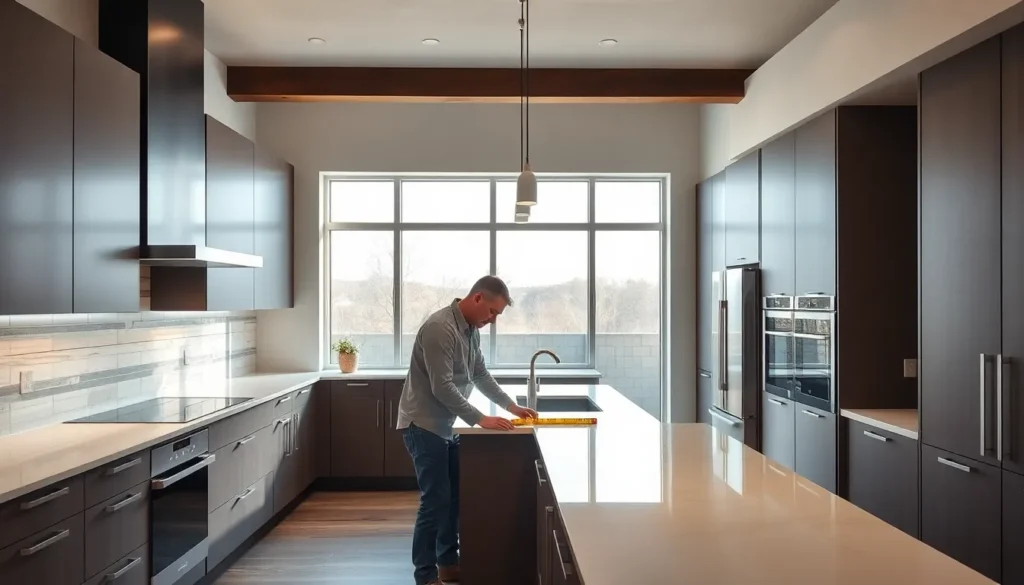
Numerous renovation projects offer varying costs based on complexity and materials. Understanding these expenses helps homeowners budget effectively for their desired changes.
Kitchen Renovation Costs
Kitchen renovations often range from $15,000 to $50,000, depending on the project size and finishes. High-end materials, custom cabinetry, and new appliances significantly impact total expenses. Average labor costs can reach $65 to $125 per hour, influenced by location and contractor expertise. Homeowners may consider minor upgrades like new countertops or flooring, which can cost between $5,000 and $10,000. Planning ensures that the target budget aligns with desired outcomes while accommodating potential surprises, such as plumbing modifications.
Bathroom Renovation Costs
A typical bathroom remodel costs between $10,000 and $30,000. Factors influencing pricing include tile selection, fixture quality, and layout changes. Basic updates like new vanities or plumbing fixtures often range from $2,500 to $5,000, perfect for refreshing aesthetics without a complete overhaul. Premium options, like soaking tubs or custom showers, elevate expenses further. Homeowners should allocate a portion of their budget for unexpected issues, such as water damage or outdated plumbing systems.
Living Room Renovation Costs
Living room renovations can vary greatly, often falling between $10,000 and $40,000. Changes such as flooring updates or new furniture commonly account for significant portions of the budget. Adding built-ins or upgraded lighting fixtures also increases final costs, with premium choices pushing expenses higher. For essential renovations, like repainting or wallpapering, costs may remain around $1,000 to $5,000. Prioritizing essential improvements helps balance aesthetics and functionality while maintaining budget integrity.
Budgeting for Your Renovation
Budgeting for a renovation requires careful planning and realistic expectations. Homeowners must account for the scope of work, materials, and labor to create an effective financial plan.
Setting a Realistic Budget
Establishing a realistic budget involves understanding project costs firsthand. Kitchen renovations typically range from $15,000 to $50,000, while bathroom remodels cost between $10,000 and $30,000. Living room updates fall from $10,000 to $40,000 based on chosen finishes and furnishings. Prioritize needs versus wants; distinguishing between essential upgrades and luxury features aids in controlling spending. Researching comparable projects in the local area helps homeowners gauge standard pricing and avoid overspending. Additionally, seeking multiple quotes from contractors ensures fair pricing.
Contingency Planning
Contingency planning safeguards against unforeseen expenses. Allocate 10% to 20% of the total budget for unexpected costs. Adjustments can arise from hidden structural issues or delays in delivery. Having a financial cushion allows homeowners to respond to surprises without financial strain. Understanding the likelihood of additional costs keeps renovations manageable. Proper budgeting coupled with contingency funds contributes to a smoother renovation experience. Preparing for potential changes ensures the transformation into a dream home remains achievable.
Tips to Reduce House Renovation Costs
Homeowners can manage renovation expenses effectively with the following strategies. These tips focus on prioritizing elements that lead to significant savings while maintaining quality.
DIY vs Hiring Professionals
Choosing between DIY projects and hiring professionals can affect costs significantly. Many homeowners save money by completing simple tasks themselves, such as painting or landscaping. Skills and time availability influence this decision. Hiring professionals often becomes necessary for complex tasks requiring specialized knowledge, like electrical work or plumbing. Weighing safety and potential mistakes against savings is crucial. Homeowners can also consider a hybrid approach, tackling some areas themselves while bringing in professionals for others. Balancing personal capability with project demands leads to cost-efficient outcomes.
Sourcing Affordable Materials
Finding affordable materials plays a vital role in reducing renovation costs. Research local suppliers and compare prices for quality materials. Another effective strategy involves checking online marketplaces or re-use centers for gently used items. These can provide significant savings without sacrificing quality. Homeowners can also consider alternative materials that deliver similar aesthetics at lower prices, benefiting both budget and style. Joining local contractor groups or home improvement stores can yield discounts through community networks. Prioritizing quality while exploring price options ensures successful projects without overspending.
Navigating house renovation costs can be a manageable endeavor with the right mindset and planning. Homeowners can transform their spaces into dream homes while keeping finances in check. By understanding the various factors that influence costs and prioritizing essential renovations, they can make informed decisions.
Implementing effective budgeting strategies and setting aside contingency funds for unexpected expenses can significantly ease the financial burden. Exploring cost-saving options like DIY projects and affordable materials further enhances the renovation experience. With careful consideration and a positive approach, achieving a beautiful and functional living space is entirely possible without overspending.