Table of Contents
ToggleDome security cameras have become the go-to choice for homeowners and small business owners looking to monitor their properties effectively. Their sleek, unobtrusive design blends seamlessly into any environment while delivering reliable surveillance coverage. Whether you’re protecting a front entrance, monitoring a garage, or keeping an eye on outdoor spaces, dome security camera systems offer flexibility and performance that traditional box cameras simply can’t match. This guide breaks down what sets them apart, the key features to prioritize, and how to choose the right setup for your needs in 2026.
Key Takeaways
- Dome security cameras offer a discreet, weather-resistant design that blends seamlessly into residential and commercial spaces while providing reliable surveillance coverage.
- Essential features to prioritize when selecting a dome security camera system include resolution (4K for face/license plate identification), infrared night vision (30+ feet range), and smart motion detection to reduce false alerts.
- Proper installation is critical—mount indoor cameras 8–10 feet high and outdoor units 10–15 feet high, use PoE connections when possible, and immediately change default passwords to secure your network.
- Dome cameras excel in diverse applications including front doors, driveways, garages, backyards, and interior hallways, making them ideal for homeowners and small business owners seeking flexible property protection.
- Local storage (microSD/hard drive) offers long-term cost savings, while cloud backup provides remote access and redundancy—choose based on your privacy preferences and monitoring needs.
- Outdoor dome security camera systems require IP67+ weatherproofing and infrared ratings of 50+ feet for larger properties, justifying higher upfront costs through superior durability and extended lifespan.
What Are Dome Security Cameras and Why They Matter
Dome security cameras are surveillance units housed in a protective dome-shaped enclosure. The design derives from their appearance, the camera lens sits inside a tinted or transparent dome that sits flush against a ceiling or wall. This form factor serves both practical and aesthetic purposes.
The dome shape offers distinct advantages over traditional rectangular cameras. First, the tinted dome makes it difficult for potential intruders to determine exactly where the camera is pointing, creating a psychological deterrent. Second, the compact profile fits naturally into residential and commercial spaces without screaming “surveillance.” Third, the dome design protects the lens from weather, dust, and physical tampering more effectively than exposed designs.
Dome security camera systems come in wired and wireless varieties. Wired systems typically offer more stable connections and don’t rely on battery changes, while wireless options provide easier installation without running cables through walls. The choice depends on your property layout and technical comfort level.
Key Advantages of Dome-Style Surveillance
Several reasons make dome cameras the preferred choice for modern surveillance needs.
Discreet Design: Unlike bulky turret or bullet cameras, dome units blend into ceiling fixtures and wall-mounted positions. They’re less conspicuous, which appeals to homeowners who don’t want their property to look like Fort Knox.
Weather Protection: The dome housing shields the lens and internal components from rain, snow, dust, and UV damage. This durability extends the camera’s lifespan, making it a smart long-term investment.
Vandal Resistance: The enclosed design makes it harder for someone to disable the camera by redirecting it or blocking the lens. Many models include anti-tamper alerts that notify you if someone attempts interference.
Flexible Mounting: Dome cameras mount to ceilings, corners, or walls with minimal visual footprint. This flexibility makes them suitable for garages, entryways, living rooms, and outdoor covered areas.
360-Degree Coverage Options: Some dome security camera systems offer pan-tilt-zoom (PTZ) capabilities, allowing remote control of the viewing angle. This single camera can cover areas that might otherwise require multiple fixed units.
Indoor vs. Outdoor Dome Cameras
Indoor dome cameras prioritize compact design and aesthetic appeal. They typically have lower weatherproofing requirements and focus on clear image capture in controlled lighting. Common placements include hallways, living rooms, kitchens, and basements.
Outdoor dome cameras feature reinforced weatherproofing with an IP67 or higher rating, meaning they resist dust, water immersion, and temperature extremes. Look for models with infrared night vision rated for at least 30 feet, anti-glare coatings, and metal housings that withstand UV exposure. Outdoor units handle rain, sleet, and direct sunlight that would degrade indoor-only models.
The key difference: outdoor models cost more but justify the expense through durability. Don’t install an indoor camera outside: it won’t survive seasonal changes and will void warranties.
Essential Features to Look For
When evaluating dome security camera systems, focus on these core specifications.
Resolution: Modern cameras start at 1080p (2 megapixels) for basic monitoring. 4K (8 megapixels) offers sharper detail, especially useful for identifying faces or license plates. Higher resolution requires more storage, so weigh your needs against bandwidth and hard drive capacity.
Night Vision: Infrared (IR) LEDs enable recording in complete darkness. Check the IR range, 30 feet covers most residential needs, while 50+ feet suits larger properties. Some premium models use smart IR that automatically adjusts brightness to avoid washed-out images.
Field of View (FOV): Standard dome cameras offer 90 to 110 degrees horizontal FOV. Wider angles (130+ degrees) capture more area but introduce barrel distortion. Narrow angles (60 degrees) work well for focused, distant monitoring.
Frame Rate: 30 frames per second (fps) is standard for smooth video playback. Security footage doesn’t require cinema-quality motion, so 15 fps suffices if storage is tight.
Smart Features: Look for motion detection, person detection, and activity zones. These filters reduce false alerts from wind-blown leaves or passing cars. Cloud backup and mobile app access let you monitor remotely without standing on a ladder.
Audio: Two-way audio lets you communicate through the camera, useful for greeting visitors or deterring theft. Not essential for surveillance, but helpful for smart home integration.
Storage Options: Decide between local storage (microSD card or hard drive) and cloud subscription services. Local storage is cheaper long-term but requires physical access to retrieve footage. Cloud services offer remote access and redundancy but cost monthly fees.
Installation and Setup Considerations
Proper installation makes or breaks a camera system’s effectiveness.
Power Supply: Wired dome cameras need a PoE (Power over Ethernet) connection if possible, a single cable handles both power and data, simplifying installation. Wireless models need reliable Wi-Fi coverage: test signal strength before committing. Battery-powered wireless options work but require regular charging or battery swaps, especially in cold climates where battery life suffers.
Mounting Height and Angle: Install indoor cameras 8–10 feet high, angled down slightly to avoid glare and capture faces. Outdoor cameras should be mounted 10–15 feet high, out of arm’s reach to prevent tampering. Ensure the dome doesn’t face direct sunlight, which causes lens glare and washes out daytime footage.
Cable Routing: If running Ethernet cables, bury them in conduit or paint them to match walls and trim. Exposed cables invite cutting. Keep cables away from high-voltage wiring and moisture sources.
Network Setup: Connect the camera to your router securely. Change default passwords immediately, this is non-negotiable. Most modern systems support encryption and two-factor authentication: enable both. Separate your cameras onto a guest network if your router supports it, isolating them from personal computers and phones.
Testing and Positioning: Before finalizing placement, review live footage on your phone or computer. Walk around your property and note blind spots. Reposition as needed to eliminate corners that aren’t covered. Some homeowners install a test camera in a temporary location first, which saves remounting time.
Professional Help: If your installation requires running cables through exterior walls, drilling through studs, or complex networking, bring in a licensed technician. A botched installation wastes the camera’s potential and can damage your home.
Top Use Cases for Dome Cameras
Different properties benefit from dome security camera systems in distinct ways.
Front Door and Entryways: A single dome camera above the entry captures arrivals, deliveries, and suspicious visitors. Combine with motion detection to log every approach.
Garage and Driveway: Monitor vehicles and tools. An outdoor dome here deters theft and provides evidence if vehicles are damaged.
Backyard and Patio: Outdoor domes cover decking, pools, and property perimeters. The discreet profile maintains aesthetics while you monitor children and detect intruders.
Interior Hallways and Living Spaces: Indoor domes track activity throughout the home. Families with aging parents use these to check on safety without intrusive visible hardware.
Business Storefronts: Retailers and offices deploy dome systems for customer and employee monitoring, loss prevention, and insurance documentation.
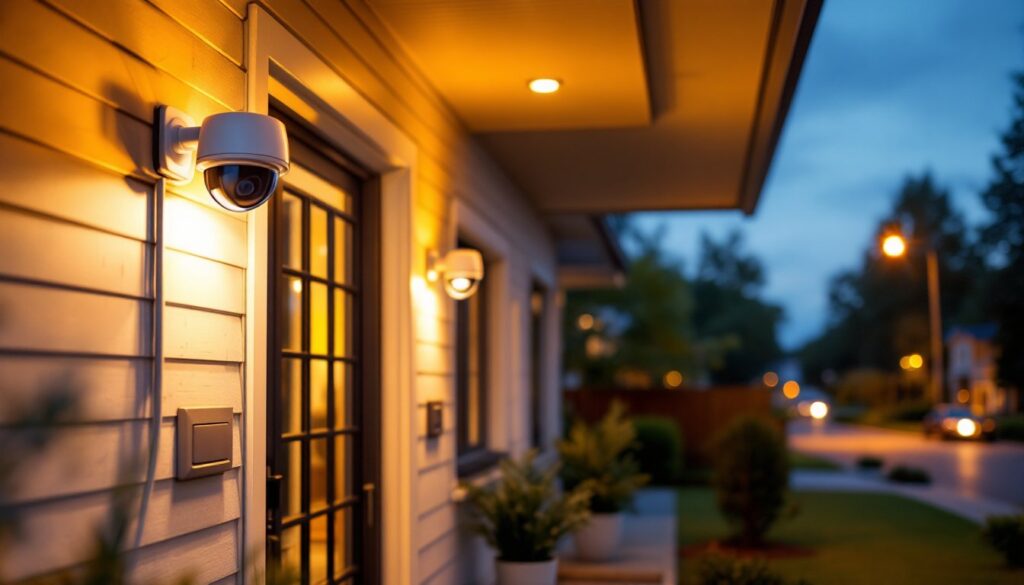
Covered Porches and Entryway Alcoves: Outdoor domes rated for wet locations protect against weather while capturing who enters and exits. These are often the most cost-effective outdoor placement for residential properties.
The common thread: dome cameras excel where aesthetics matter but security doesn’t get compromised.
Conclusion
Dome security cameras deliver a balanced blend of performance, durability, and visual discretion. Whether you’re protecting a single entryway or deploying a multi-camera system, focusing on resolution, night vision capability, smart features, and proper installation sets you up for reliable surveillance. Take time to assess your specific needs, indoor versus outdoor placement, coverage area, and storage preferences, before purchasing. A well-planned dome security camera system pays dividends in peace of mind and property protection for years to come.