Table of Contents
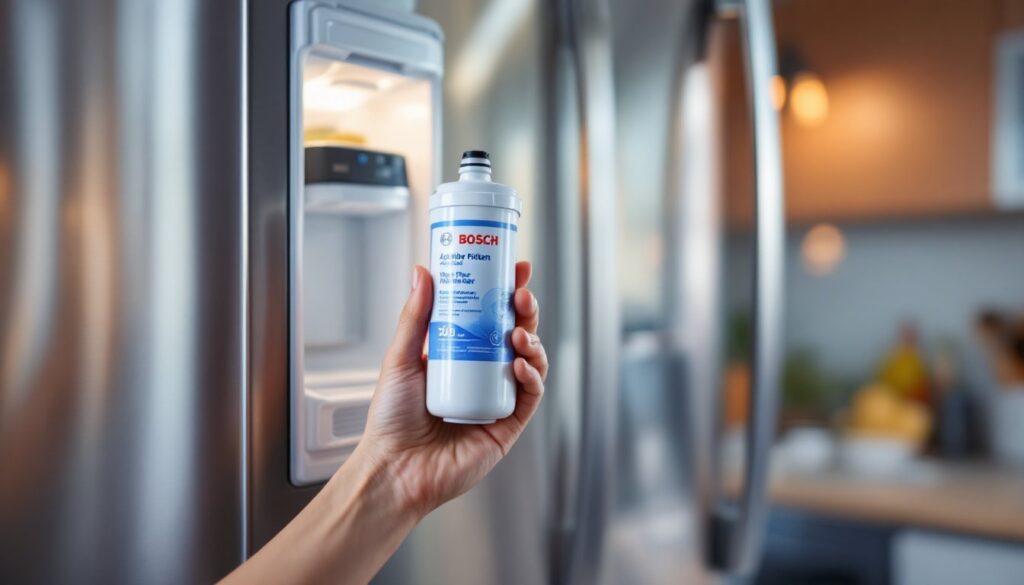
ToggleA Bosch refrigerator’s built-in water dispenser and ice maker depend entirely on a functioning water filter to deliver clean, fresh-tasting water. Over time, sediment, chlorine, and contaminants clog the filter, and once it’s saturated, it can’t do its job. Replacing your Bosch refrigerator water filter every six months (or when the indicator light comes on) is one of the simplest, highest-impact maintenance tasks a homeowner can tackle. This guide walks through why filter replacement matters, how to identify the right filter for your model, and the straightforward steps to swap it out yourself in under ten minutes, no plumber needed.
Key Takeaways
- Replacing your Bosch refrigerator water filter every six months prevents pressure buildup, reduces contaminant leakage, and maintains optimal water taste and appliance longevity.
- A clogged water filter causes slower water flow, sluggish ice production, and reduced filtering effectiveness, even before the indicator light turns red.
- Identify your exact Bosch model number and filter type before purchasing to avoid compatibility issues and unnecessary return trips.
- The DIY Bosch refrigerator water filter replacement process takes under ten minutes with no tools required—simply turn off the water supply and swap the cartridge.
- Hard tap water and high ice/water usage can saturate your filter faster than six months, so monitor water quality and consider quarterly replacements for heavy-use households.
- Store replacement filters in cool, dry conditions away from sunlight to preserve their activated carbon effectiveness before installation.
Why Water Filter Replacement Matters for Your Bosch Refrigerator
Your Bosch refrigerator water filter is a hardworking barrier between your tap water and your drinking glass. It catches sediment, reduces chlorine taste and odor, and filters out other impurities that can affect flavor and water quality. When the filter clogs, water flow slows dramatically, you might notice the ice maker takes longer to produce cubes, or the dispenser trickles instead of flows.
Ignoring a saturated filter creates bigger problems. Pressure builds behind the clogged cartridge, potentially stressing internal lines and fittings. Over time, this can lead to leaks in the refrigerator’s water system or compromise the filter’s ability to block contaminants altogether. A fresh, properly installed water filter for your Bosch refrigerator ensures optimal water pressure, better taste, and extends the life of your appliance’s water components. Most manufacturers recommend replacement every six months or when the status light signals it’s time, whichever comes first.
Finding the Right Water Filter for Your Bosch Model
Before you buy a replacement, confirm your exact Bosch model number. You’ll find it on the spec sheet inside the fridge’s crisper drawer, on a label inside the freezer, or on the back of the unit. Different Bosch lines use different filter cartridges, mixing them up wastes money and leaves your water unfiltered.
Once you have the model number, check your owner’s manual or Bosch’s parts website to identify your filter type. The part number will be printed on the existing filter cartridge itself. You can also purchase a generic Bosch replacement water filter or a compatible third-party option, but verify compatibility first. Buying the correct cartridge upfront saves a return trip and keeps your water dispensing without interruption.
How to Replace Your Bosch Refrigerator Water Filter
The actual replacement takes just a few minutes and requires no tools. Before you begin, locate your filter housing, usually found inside the refrigerator, either in the lower left corner, the upper right, or along the back wall, depending on model design. Turn off the water supply valve behind the refrigerator or under the kitchen sink to stop flow during the swap. This prevents drips and spills on your kitchen floor.
Maintaining Your Filter and Extending Its Lifespan
A new Bosch refrigerator water filter lasts roughly six months under typical household use, that means a family of four dispensing water regularly and making ice daily. But, if your tap water is particularly hard or sediment-heavy, your filter will clog faster. Keep track of when you replaced it: set a phone reminder or jot the date on a piece of tape stuck to the cartridge.
Don’t wait for the indicator light to turn red or the water pressure to drop to a trickle before replacing. A filter working at the edge of its life is filtering less effectively, even if water still flows. If you notice cloudy ice or stale-tasting water before the six-month mark, the filter is likely saturated and needs changing.
Store replacement filters in a cool, dry place away from direct sunlight. Bosch refrigerator water filters are pre-filled with activated carbon, which can degrade if exposed to heat or light. Buying in bulk or keeping a spare on hand ensures you’re never without a filter when it’s time to swap. If your household uses exceptionally high volumes of ice and water, or if your tap water is very hard, consider replacing every three to four months for best performance.
Conclusion
Replacing a Bosch refrigerator water filter is a straightforward DIY win that takes ten minutes and costs far less than a service call. By identifying your correct filter type, following the installation steps, and staying on top of replacement timing, you’ll keep your water tasting fresh and your appliance running smoothly. Once you’ve done it once, the next replacement feels effortless, and your wallet (and your water) will thank you.